
Low-Impact Cardio You Can Do at Home
Low-Impact Cardio You Can Do at Home
Cardio doesn't have to mean pounding your joints on a treadmill. Low-impact cardio raises your heart rate and burns calories without the harsh landing forces of running or jumping — which makes it ideal for beginners, for anyone with cranky knees, and for recovery days between harder sessions. Best of all, you can do it in your living room with little or no equipment.
VivPulse is reader-supported. When you buy through links on our site, we may earn an affiliate commission.
Why Low-Impact Matters
High-impact exercise stresses joints with every landing, and that stress adds up — especially if you're carrying extra weight, returning from a break, or managing old injuries. Low-impact alternatives keep at least one foot on the ground (or you seated), dramatically reducing that stress while still delivering the cardiovascular benefits: better stamina, improved mood, and steadier energy. It also pairs naturally with a strength program like our 4-week beginner home workout plan, where easy cardio on off days can speed recovery.
Option 1: Marching and Step-Ups (Free)
The simplest option costs nothing. March in place with high knees for intervals — 40 seconds on, 20 seconds easy — for 10 to 15 minutes. Add step-ups on a sturdy stair or low platform: 10 per leg, alternating, for three rounds. Swing your arms to raise the intensity without raising the impact.
Option 2: The Pedal Exerciser ($9.97)
The pink latex pedal exerciser ($9.97 USD) is one of the cheapest cardio tools you'll find. Sit in a chair, hook your feet in, and pedal — the latex tubes add resistance for your legs, and you can flip it around to work your arms too. It's quiet enough for apartment living and small enough to slide under a couch. Try 3 rounds of 5 minutes of steady pedaling with 1-minute rests.
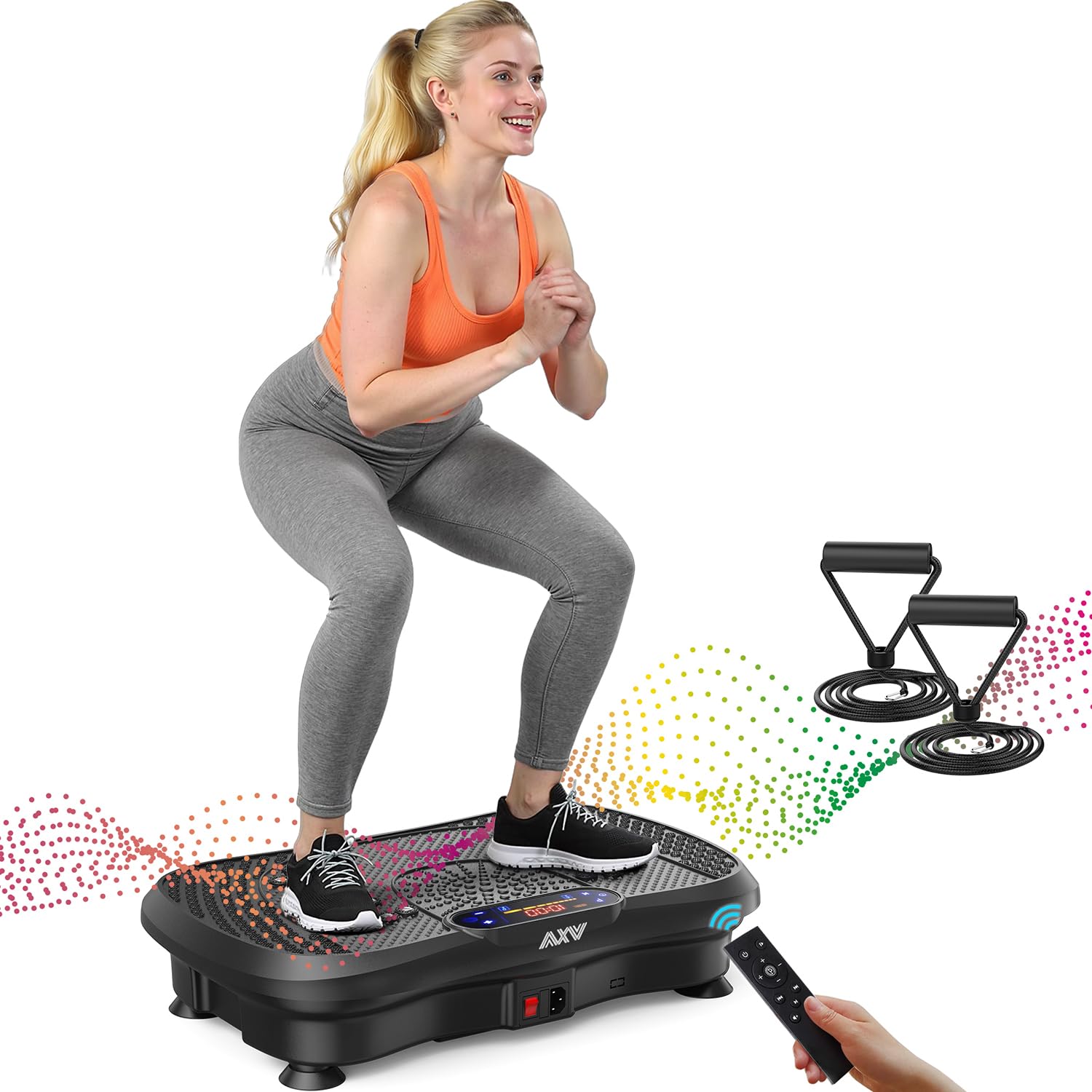
Option 3: Vibration Plate Sessions ($99.99)
The vibration plate for home fitness ($99.99 USD) takes a different approach: you stand, squat, or hold positions on a platform that vibrates at adjustable speeds, engaging your stabilizing muscles without any jumping or running. A typical session is 10–15 minutes of standing poses — quarter squats, calf raises, gentle lunges — while the plate does the shaking. Research on whole-body vibration suggests it can complement regular exercise, though it's a supplement to movement, not a replacement for it.
Build a 20-Minute Session
Mix and match the options into one session:
- Minutes 0–5: marching in place to warm up, gradually raising your knees.
- Minutes 5–15: pedal exerciser intervals — 2 minutes steady, 1 minute faster, repeated.
- Minutes 15–20: vibration plate cool-down — standing calf raises and gentle squats at low speed.
No plate? Swap the last five minutes for slow step-ups and stretching.
How Often?
According to the American Heart Association, adults should aim for at least 150 minutes of moderate aerobic activity per week — and low-impact sessions count fully toward that. That breaks down to five 30-minute sessions, or a mix of shorter ones across the week. If you're also strength training, two to three easy cardio sessions on your off days is plenty — for heavier strength work, see our strength training without a gym guide.
Frequently Asked Questions
Is low-impact cardio effective for weight loss?
Yes — calorie burn depends on intensity and duration, not impact. A brisk 30-minute pedal or marching session burns a meaningful number of calories, and because it's gentle, you can do it more often without needing extra recovery days.
I have bad knees. Is this safe for me?
Low-impact options are generally knee-friendly since they avoid landing forces, but "generally" isn't medical advice. Start with the gentlest option (seated pedaling), keep movements pain-free, and check with your doctor or a physical therapist if you have a diagnosed condition.
Does a vibration plate actually do anything?
Whole-body vibration research shows modest benefits for balance and muscle activation when combined with exercise — think of it as a useful add-on for recovery days and gentle sessions, not a standalone workout.
Can I do low-impact cardio every day?
Easy sessions, yes — walking, gentle pedaling, and light plate work don't need rest days the way heavy lifting does. Just keep at least one or two sessions per week truly easy.