
The 4-Week Beginner Home Workout Plan
The 4-Week Beginner Home Workout Plan
The first month of training matters more than any month after it. Weeks one through four build the movement patterns, the weekly rhythm, and the quiet confidence that keep you training for years. This plan asks for three sessions a week, 30 to 40 minutes each, and a small corner of your home — no commute, no membership, no waiting for a squat rack.
VivPulse is reader-supported. When you buy through links on our site, we may earn an affiliate commission.
What You'll Need
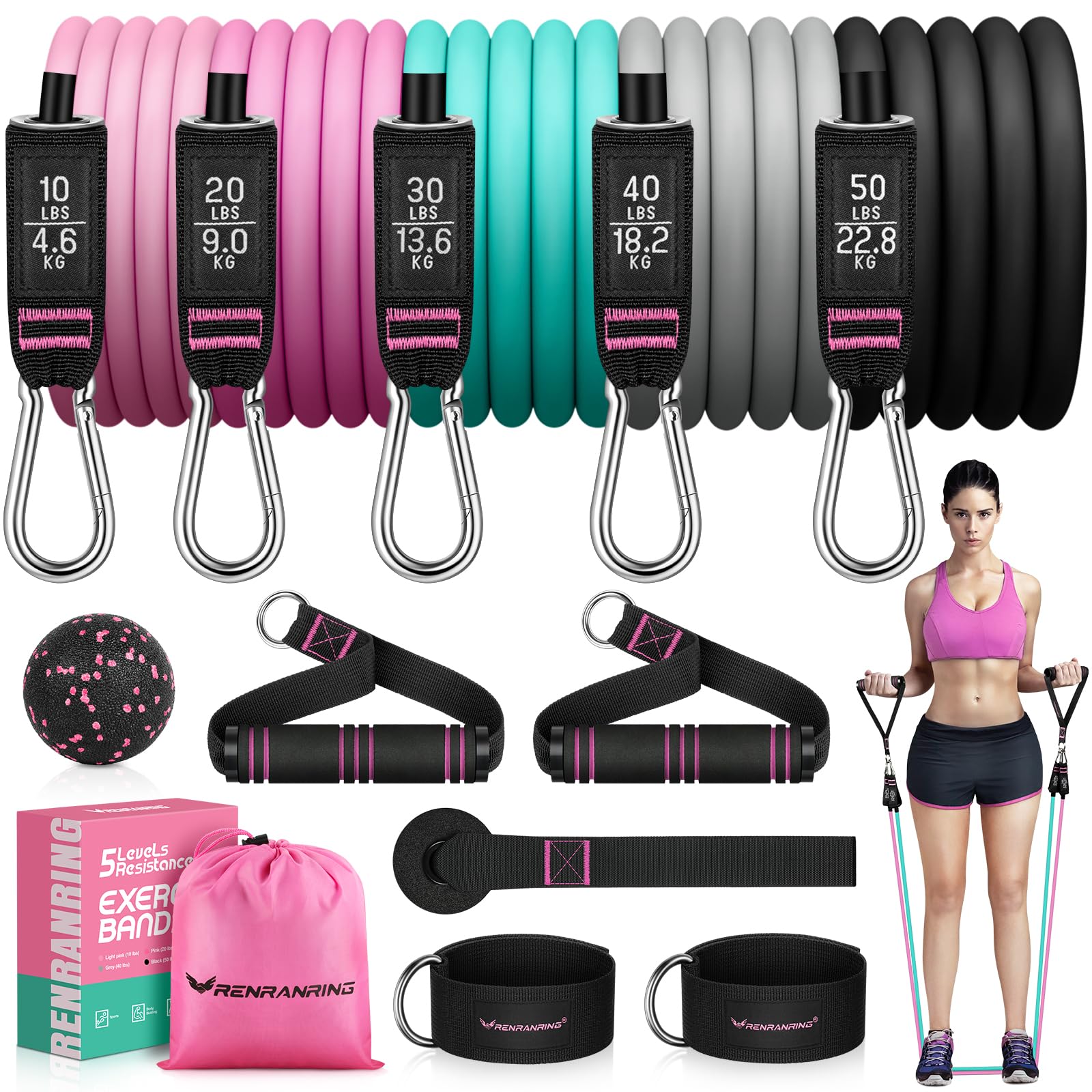
One tool carries the whole plan: the Resistance band training set 150lbs ($16.99 USD), which stacks from light to heavy resistance and covers every major muscle group. For low-impact cardio on off days, the pink latex pedal exerciser ($9.97 USD) gives you a seated cardio session for under ten dollars, and the vibration plate for home fitness ($99.99 USD) adds gentle full-body stimulation without joint stress. When you're ready for dedicated strength days, the adjustable foldable weight bench ($69.99 USD) unlocks presses, rows, and step-ups — and folds flat against a wall afterward. For the full setup picture, see our home gym equipment checklist.
The Plan at a Glance
- Weeks 1–2: three full-body sessions per week (for example Monday, Wednesday, Friday), mastering basic movement patterns at comfortable resistance.
- Weeks 3–4: the same three days, with added sets, heavier band resistance, and a short finisher for conditioning.
- Off days: light activity or full rest — both count as training.
Weeks 1–2: Build the Foundation
Every session follows the same template, and that's the point: repetition builds skill. Warm up for five minutes with marching in place, arm circles, and bodyweight squats. Then work through five moves, two sets of 10–12 reps each, resting 60–90 seconds between sets: band squat, band row, band chest press, band shoulder press, and standing band core twists. Finish with two minutes of easy stretching.
Choose a band that lets you finish every rep with one or two reps left in the tank. Form beats load — if your last rep looks different from your first, the band is too heavy. Keep a one-line log after each session: date, exercises, band used, reps. You'll be glad to have it in week three.
Weeks 3–4: Add Intensity
Your body has learned the movements; now it needs a reason to adapt. Keep the three-day structure but change one variable at a time: add a third set to two exercises in week three, move up one band level in week four, or shorten rests to 45 seconds. Then add a five-minute finisher — for example, alternating 30 seconds of band squats with 30 seconds of marching in place.
This is also the right time to try a dedicated strength session. Swap one band day for bench work: band presses and single-arm rows on the adjustable foldable weight bench, three sets of 8–10. Our 20-minute resistance band workout gives you a full exercise library to draw from as you expand the plan.
Rest Days: When Progress Actually Happens
Muscles repair and grow between sessions, not during them. On off days, aim for 15–30 minutes of easy movement: a walk, gentle stretching, or a seated cardio session with the pink latex pedal exerciser while you watch something. If your legs feel heavy, ten minutes on the vibration plate for home fitness can loosen things up without adding joint stress. Our guide to low-impact cardio at home has more recovery-day options.
Sleep is the other half of recovery — seven to nine hours per night is the range sleep researchers generally recommend for active adults. Soreness that fades within 48 hours is normal; sharp joint pain is a signal to rest and, if it persists, to check in with a professional.
How to Progress Without Guessing
Progressive overload is the engine of every successful plan: gradually ask your muscles to do slightly more than last time. At home, that means:
- More reps — when 12 reps feel easy, aim for 15 before moving up a band.
- More resistance — step up one band level, or combine two bands for in-between loads.
- More sets — from two to three sets on your key lifts.
- Less rest — trim 15 seconds off your rest periods every week or two.
Change one variable at a time and give it a full week. If you're still progressing at week four, don't change the plan — keep going with it. The strength training without a gym guide shows how to keep this progression running for months with the same equipment.
After four weeks, most beginners can either repeat the cycle with heavier resistance or graduate to a more specialized routine — our complete home gym guide walks through the next stage of your setup.
Frequently Asked Questions
Can a beginner really get fit with just resistance bands?
Yes. Bands provide smooth resistance through the full range of motion, and beginners respond to almost any consistent training. The Resistance band training set 150lbs offers enough range to challenge you for months.
What if I miss a workout?
Just do the next one — don't double up to "make up" for it. Consistency over weeks matters far more than any single session.
How long before I see results?
Strength and stamina usually improve noticeably within three to four weeks; visible changes typically take eight to twelve weeks of consistent training and reasonable nutrition. Track performance (reps, band level) rather than the mirror in month one.
Should I do cardio on rest days?
Light cardio is fine and often speeds recovery. Keep it conversational — you should be able to talk comfortably throughout. Save hard intervals for after the first month.
Is this plan enough for weight loss?
Training creates the stimulus; nutrition drives the outcome. Three weekly sessions plus daily walking is a strong foundation, but sustainable weight loss comes mostly from eating habits — see our sustainable health habits guide for the nutrition side.