
The Complete Guide to Better Sleep in 2026
The Complete Guide to Better Sleep in 2026
Sleep is the foundation everything else is built on: your energy, your mood, your workouts, even your immune system. Yet most of us treat it as an afterthought — something that happens between the end of one day and the start of the next. This guide changes that. Here is what actually drives good sleep, from the basics of sleep stages to the bedroom setup that helps you fall asleep faster and stay asleep longer.
VivPulse is reader-supported. When you buy through links on our site, we may earn an affiliate commission.
Why Sleep Matters More Than You Think
Sleep is not downtime — it is maintenance. While you sleep, your brain consolidates memories, your muscles repair, and your immune system does its heavy lifting. Sleep researchers generally recommend 7–9 hours a night for adults, and people who consistently hit that range perform better on cognitive tests and report better mood than those who cut sleep short. Every good workout and good mood starts the night before.
Sleep Stages, Explained Simply
A full night of sleep cycles through stages roughly every 90 minutes:
- Light sleep (N1/N2) — the transition zone. It is easy to wake from, but it makes up about half the night.
- Deep sleep (N3) — the physically restorative phase. Tissue repair, muscle recovery, and immune strengthening peak here, and the largest pulses of growth hormone are released during this stage.
- REM sleep — the mentally restorative phase, when most dreaming happens and memories get consolidated.
You cannot force your way into more deep sleep, but you can protect it. A consistent schedule, a dark and cool room, and a calm wind-down routine all help your brain move through its natural cycles undisturbed. For a deeper look at what deep sleep does for your body, see our article on how sleep improves workout recovery.
Keep a Consistent Schedule
The single most powerful sleep habit costs nothing: wake up at the same time every day, weekends included. Your circadian rhythm — the internal clock that tells your body when to feel sleepy and when to feel alert — thrives on regularity. A stable wake time anchors the whole cycle, and bedtime usually follows on its own.
If your current schedule is far from ideal, shift gradually: move bedtime earlier by 15–20 minutes every few nights. And treat naps with caution — keep them short and early, because a long evening nap steals from your nighttime sleep.
Build a Wind-Down Routine
Sleep does not start when your head hits the pillow; it starts an hour before. Give your nervous system a clear signal that the day is over:
- Dim the lights and put screens away (or at least switch them to a warm filter) 30–60 minutes before bed.
- Do something calmly repetitive: read a book, stretch gently, take a warm shower.
- Keep the same order of steps each night — the routine itself becomes a sleep cue.
- Avoid heavy meals, intense workouts, and alcohol close to bedtime. Alcohol may make you drowsy, but it fragments sleep in the second half of the night.
If noise is the thing that keeps you up, a steady background sound can make all the difference. See our guide on whether white noise machines really work for the full breakdown.
Set Up a Bedroom That Invites Sleep
Your bedroom should have one job: sleep. Three environmental levers matter most:
- Darkness — even dim light can disrupt melatonin production. Blackout curtains or a good sleep mask do the job; keep glowing screens and bright nightlights out of the bedroom if you can.
- Temperature — a cool room, roughly 65–68°F (18–20°C), helps your core body temperature drop, which is one of the key signals your body uses to initiate sleep.
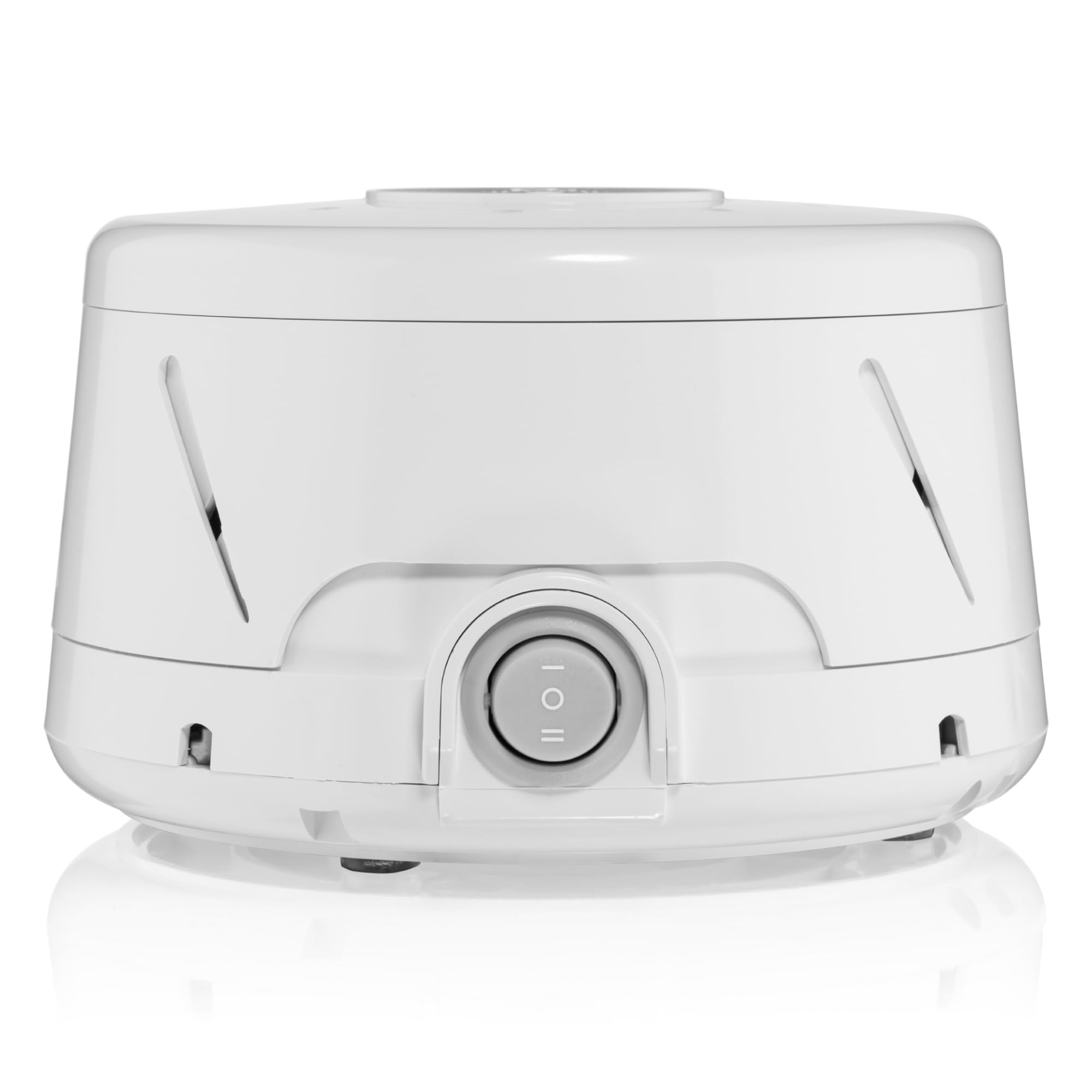
- Noise — sudden sounds are what wake us, not steady ones. A white noise machine smooths over barking dogs, traffic, and thin walls with a consistent background hum. The Yogasleep Dohm Classic generates its sound with a real internal fan rather than a digital loop, so it never repeats and sounds completely natural — at $96.69, it is the classic for a reason.
Then there is the surface you sleep on. Your pillow is responsible for keeping your cervical spine aligned all night — if you wake up with a stiff neck often enough, the pillow is the first suspect. The Supportive memory foam cervical pillow uses a dual-height design so back sleepers and side sleepers can each find their alignment, at $56.99. Our full sleep environment checklist walks through darkness, temperature, noise, bedding, and air quality step by step.
Sleep and Training Go Together
If you work out, sleep is when the workout pays off. Deep sleep drives muscle repair and hormonal recovery, which is why hard training weeks demand protected sleep hours. See our post-workout recovery guide for the full recovery picture.
Frequently Asked Questions
How much sleep do I really need?
Most adults need 7–9 hours, according to sleep researchers and public health guidance. Very few people are genuinely fine on less — and "feeling fine" on six hours is not the same as performing at your best on eight.
Can I catch up on sleep on weekends?
A weekend lie-in helps a little, but it does not erase a week of short nights — and it shifts your schedule, making Monday morning worse. Consistency beats catch-up.
What if I wake up at 3 AM and cannot fall back asleep?
Do not lie there frustrated. After about 20 minutes, get up, do something quiet and dim, and return to bed when you feel drowsy. Watching the clock trains your brain to associate bed with anxiety.
Is a white noise machine safe to use all night?
Generally yes, as long as the volume stays modest — about the level of a quiet conversation. Fan-based machines like the Yogasleep Dohm Classic produce a natural, non-repeating sound that most sleepers find the easiest to sleep through.