
The Ultimate Self-Care Guide for Busy People
The Ultimate Self-Care Guide for Busy People
Self-care doesn't have to mean a weekend spa trip or a two-hour morning routine. For most of us, self-care happens in the five spare minutes between meetings, in the ten quiet minutes before sleep, and in the small choices that add up across a week. This guide shows you how to build a realistic self-care routine — one that fits an actual busy life, not an influencer's highlight reel.
VivPulse is reader-supported. When you buy through links on our site, we may earn an affiliate commission.
What Self-Care Really Means (and Doesn't)
Self-care is maintenance, not luxury. It's the difference between running on empty and running on a full tank — and it works best in small, repeatable doses. A glass of water, a stretched neck, five minutes of quiet: none of these look impressive alone, but stacked daily they change how you feel. The sections below are organized by the three windows of opportunity you actually have: morning, the workday, and evening.
Morning Micro-Habits: 10 Minutes or Less
You don't need to wake up at 5 AM. Pick two or three of these and stack them onto things you already do:
- Hydrate first. Keep a glass of water on your nightstand and drink it before your coffee. You lose water overnight, and even mild dehydration drags your focus down.
- Two minutes of stretching. Roll your neck, open your chest, touch your toes. Your back will thank you by noon.
- A basic skincare start. Gentle cleanse, treatment, moisturize, SPF — that's the whole foundation. Our guide to building your first skincare routine walks through each step, including when to add ingredients like hyaluronic acid and retinol.
- Write down three priorities. Not a to-do list of twenty items — three. It turns a reactive day into an intentional one.
The Desk-Break Reset
Long stretches of sitting are where busy days quietly break your body. Tight shoulders, a stiff neck, shallow breathing — sound familiar? The fix isn't a gym session at lunch; it's breaking the pattern. Stand up every hour, roll your shoulders, look at something far away. These micro-resets are a core idea in our guide to sustainable health habits: small, consistent actions beat occasional heroic efforts.
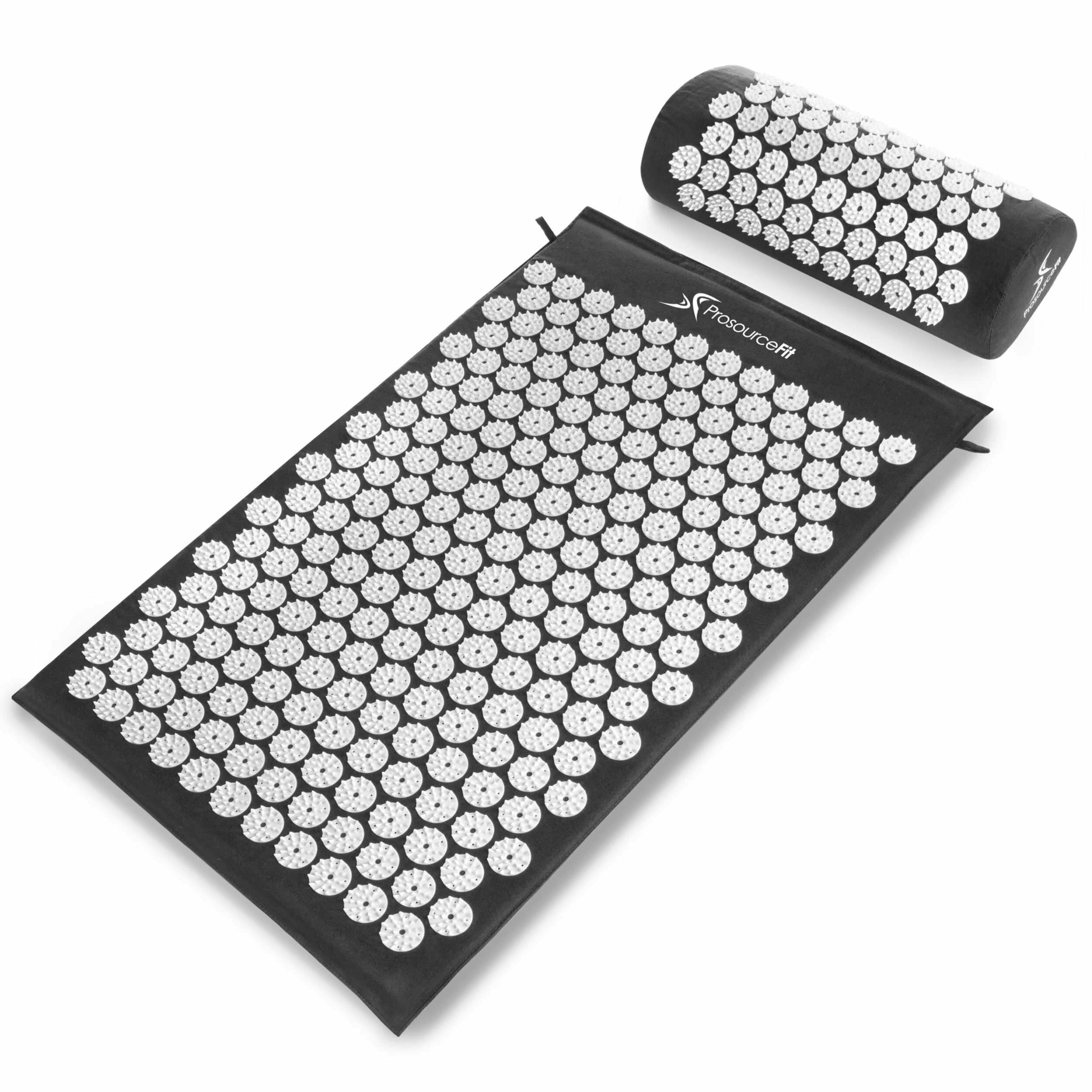
For the tension that accumulates in your back and neck despite your best intentions, a targeted recovery tool helps. Lying on the ProsourceFit Acupressure Mat and Pillow Set for ten to fifteen minutes — while you read or unwind — presses hundreds of small points into tight muscles. It's one of the cheapest ways to recreate that post-massage looseness at home ($25.59 USD), and it doubles as a wind-down ritual before bed.
Sleep Like You Mean It
Everything in this guide compounds through sleep — or collapses without it. One of the most underrated upgrades is the pillow you spend a third of your life on. A supportive memory foam cervical pillow cradles the natural curve of your neck instead of kinking it, and the dual-height design lets you adjust to your sleeping position. Waking up without that familiar morning stiffness ($56.99 USD) is the kind of self-care that pays off every single day.
The Evening Reset
Your evening routine decides how tomorrow feels. Start by giving your nervous system a clear "the day is over" signal: dim the lights, put the phone down, and give yourself one genuine wind-down ritual. Our full list of 5-minute evening wind-down rituals includes white noise, stretching, and an acupressure mat session — and for a deeper dive, see your evening self-care recovery routine.
Don't Forget the Air You Breathe
Self-care usually focuses on what you can see and feel — but the air in your home quietly affects your skin, your sleep, and your sinuses. Dry indoor air is rough on skin barrier function and can leave you waking up congested. Our guide to humidifiers and air quality for healthier indoor air covers the ideal humidity range and what to do about dust, pollen, and pet dander floating around your bedroom.
Make It Stick: The Two Rules
Rule one: attach new habits to existing ones. Stretch while the coffee brews. Wind down when you brush your teeth. Habits that piggyback survive; habits that need willpower fade.
Rule two: start embarrassingly small. Five minutes of self-care you actually do beats a thirty-minute routine you abandon by Thursday. Build the streak first, expand it later.
Frequently Asked Questions
What is the best self-care routine for someone with no free time?
Focus on the transitions: a two-minute morning stretch, hourly desk breaks, and a five-minute evening wind-down. These three touchpoints cover your whole day without requiring a free hour anywhere.
Does self-care really reduce stress, or is it just marketing?
Consistent small practices — better sleep, movement breaks, intentional wind-downs — lower cumulative physical tension and improve perceived stress over time. No single product or ritual does the work; the routine does.
How do I start a skincare routine as a beginner?
Start with four steps: cleanser, treatment, moisturizer, and sunscreen. Add active ingredients like hyaluronic acid or retinol one at a time. See our beginner's skincare routine guide for the full order.
What helps with neck pain from sitting at a desk all day?
Hourly posture breaks and neck stretches are the foundation. A supportive pillow improves your overnight recovery, and an acupressure mat session can loosen daytime tension. If pain persists or radiates into your arms, see a professional.